
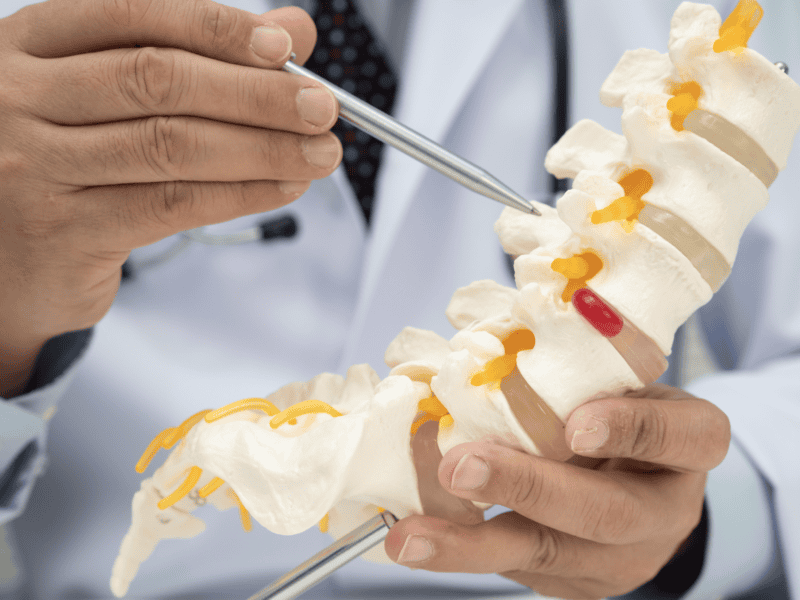
Chronic back pain is one of the most common and frustrating conditions affecting adults today. While many cases are linked to muscle strain or arthritis, a significant number stem from a less obvious source: small tears in the spinal discs. These tears, known as annular tears, can lead to persistent pain that often goes undiagnosed or undertreated.
One innovative treatment option gaining attention is the Discseel® Procedure. This minimally invasive approach targets the root cause of disc-related pain rather than simply masking symptoms.
Understanding Disc Tears and Back Pain
Spinal discs act as cushions between the vertebrae, absorbing shock and allowing flexibility. Each disc has a tough outer layer (the annulus) and a softer inner core. Over time, aging, repetitive stress, or injury can cause small tears in the outer layer.
These tears can:
- Trigger inflammation
- Irritate nearby nerves
- Allow disc material to shift or bulge
- Cause chronic, localized or radiating pain
Unlike large herniated discs, annular tears are often difficult to detect on standard imaging, which is why many patients struggle to find lasting relief.
Why Traditional Treatments May Fall Short
Conservative treatments like physical therapy, medications, and injections can help reduce inflammation and manage symptoms. However, they typically do not repair the damaged disc itself.
In more severe cases, surgery such as spinal fusion may be recommended. While effective for some patients, surgery involves longer recovery times, higher risks, and potential loss of spinal mobility.
This gap between conservative care and invasive surgery has led to the development of regenerative and minimally invasive solutions like Discseel.
How the Discseel® Procedure Works
The Discseel Procedure is designed to repair damaged discs by sealing annular tears using a biologic substance derived from the patient’s own body.
- Precise Diagnosis
Advanced imaging and diagnostic techniques are used to identify the exact discs causing pain. - Minimally Invasive Access
Using imaging guidance, a small needle is inserted into the affected disc. - Application of Fibrin
A biologic material called fibrin is injected into the disc. Fibrin plays a natural role in the body’s healing process and helps seal tears in the annulus. - Promotion of Healing
By sealing the tear, the procedure reduces inflammation and stabilizes the disc, allowing the body to heal naturally.
Benefits of the Discseel® Procedure
- Targets the root cause rather than just symptoms
- Minimally invasive, with no large incisions
- Reduced recovery time compared to surgery
- Preserves spinal mobility
- Uses biologic material, reducing reliance on synthetic implants
Who May Be a Candidate?
The Discseel Procedure may be appropriate for patients who:
- Have chronic low back pain lasting more than several months
- Have not found relief with conservative treatments
- Show evidence of disc degeneration or annular tears
- Want to avoid or delay spinal surgery
A thorough evaluation by a spine or pain specialist is essential to determine candidacy.
What to Expect After the Procedure
Recovery from Discseel is typically faster than traditional spine surgery. Patients may experience gradual improvement over several weeks to months as the disc heals.
Post-procedure care often includes:
- Activity modification during early healing
- Guided physical therapy
- Follow-up evaluations to monitor progress
A New Direction in Treating Disc Pain
Chronic back pain from disc tears can be difficult to diagnose and even harder to treat effectively. The Discseel Procedure represents a shift toward regenerative, targeted therapies that aim to repair damaged structures rather than simply manage symptoms.
For patients seeking alternatives to long-term medications or invasive surgery, this approach may offer a promising path toward lasting relief.
[gravityform id=1 title=false description=false]
 PRP Therapy vs. Bone Marrow Concentrate (BMC) for Knee Pain: Which Regenerative Treatment Works Best?