
Understanding Chronic Joint and Ligament Pain
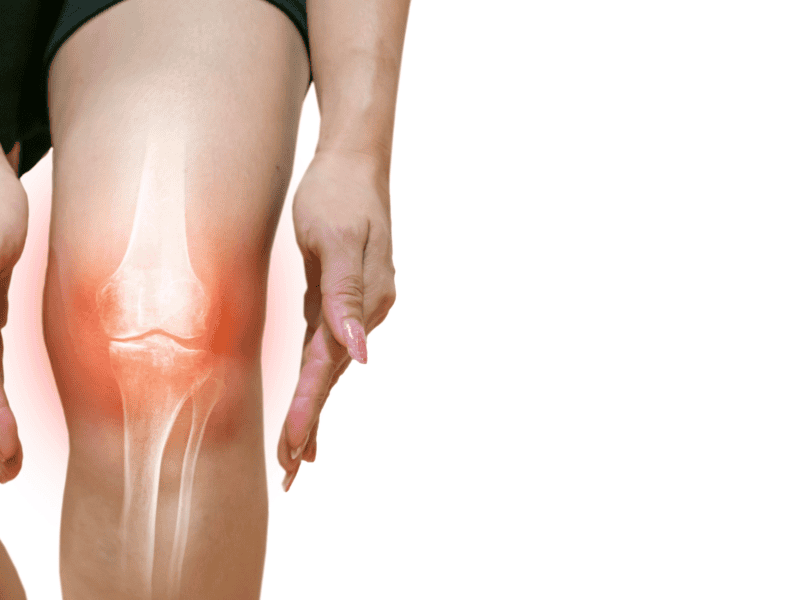
Joint and ligament pain can make everyday activities difficult. Whether it’s knee instability, shoulder discomfort, lower back pain, or recurring ankle sprains, many people struggle with pain caused by weakened or damaged connective tissues. Traditional treatments often focus on temporarily reducing symptoms through medications, steroid injections, or surgery. However, these approaches may not address the underlying tissue weakness contributing to the pain.
Prolotherapy is a regenerative treatment designed to support the body’s natural healing process. By stimulating repair in injured ligaments and joints, prolotherapy may help reduce pain, improve stability, and restore function without surgery.
What Is Prolotherapy?
Prolotherapy, short for “proliferation therapy,” is a minimally invasive injection-based treatment used to encourage the body’s natural healing response. During the procedure, a specialized solution—commonly dextrose (a natural sugar solution)—is injected into weakened or injured ligaments, tendons, or joint areas.
The goal of prolotherapy is to trigger a mild, controlled inflammatory response that promotes tissue repair and collagen production. Over time, this process may strengthen connective tissues and improve joint stability.
How Prolotherapy Works
Ligaments and tendons often have limited blood supply, which can slow healing after injury or repetitive stress. Prolotherapy works by stimulating the body’s repair mechanisms in these areas.
Potential effects of prolotherapy include:
- Increased collagen production
- Improved ligament and tendon strength
- Better joint stability
- Reduced chronic inflammation
- Long-term pain relief
- Improved mobility and function
Rather than simply masking pain, prolotherapy aims to address the structural causes of discomfort.
Conditions Commonly Treated with Prolotherapy
Prolotherapy may be used to treat a wide range of musculoskeletal conditions, including:
Joint Pain
- Knee pain
- Shoulder pain
- Hip pain
- Wrist pain
- Ankle pain
Spine and Back Conditions
- Chronic low back pain
- Neck pain
- Sacroiliac (SI) joint dysfunction
- Facet joint instability
Sports and Overuse Injuries
- Tennis elbow
- Golfer’s elbow
- Rotator cuff injuries
- Achilles tendon pain
- Recurrent sprains
Ligament and Tendon Injuries
- Ligament laxity
- Tendon degeneration
- Joint instability
Patients experiencing chronic pain that has not improved with rest, physical therapy, or medications may benefit from an evaluation for prolotherapy.
What to Expect During Treatment
A prolotherapy session is typically performed in an outpatient setting and usually takes less than an hour.
During the Procedure
- The treatment area is cleaned and prepared
- A local anesthetic may be used for comfort
- The prolotherapy solution is injected into targeted tissues
- Multiple injection sites may be treated depending on the condition
Some patients experience temporary soreness or mild swelling after treatment, which is considered part of the normal healing response.
Recovery and Results
Recovery after prolotherapy is generally straightforward. Most patients can resume light activities within a day or two, though strenuous activity may be limited temporarily.
Because prolotherapy stimulates gradual tissue healing, improvements often occur over several weeks or months. Many patients undergo a series of treatments spaced several weeks apart for optimal results.
Potential benefits may include:
- Reduced pain
- Improved stability
- Better physical function
- Increased activity tolerance
- Reduced reliance on pain medications
Is Prolotherapy Safe?
When performed by a qualified medical provider, prolotherapy is generally considered safe. Since the injections commonly use natural dextrose solutions, the risk of serious adverse reactions is low.
As with any injection procedure, potential side effects can include:
- Temporary soreness
- Mild swelling
- Bruising
- Injection site tenderness
A thorough evaluation helps determine whether prolotherapy is appropriate for a patient’s condition and overall health.
Prolotherapy vs. Steroid Injections
While steroid injections can provide temporary pain relief by reducing inflammation, repeated steroid use may weaken tissues over time. Prolotherapy takes a different approach by encouraging healing and tissue strengthening rather than suppressing inflammation.
For patients seeking a regenerative and non-surgical treatment option, prolotherapy may offer a more long-term solution.
Combining Prolotherapy with Other Treatments
Prolotherapy is often most effective when combined with a comprehensive treatment plan. This may include:
- Physical therapy
- Strengthening exercises
- Postural correction
- Activity modification
- Regenerative medicine therapies
A personalized care plan can help maximize healing and long-term outcomes.
When to Consider Prolotherapy
You may want to discuss prolotherapy with a healthcare provider if you:
- Have chronic joint or ligament pain
- Experience recurring sprains or instability
- Want to avoid surgery
- Have not responded well to conservative treatments
- Are seeking a natural, regenerative approach to healing
Early treatment may help prevent worsening instability and chronic degeneration.
Final Thoughts
Prolotherapy offers a promising option for individuals dealing with chronic joint and ligament pain. By stimulating the body’s natural healing response, this regenerative treatment may help strengthen weakened tissues, improve stability, and reduce pain over time.
For patients looking for a minimally invasive and non-surgical solution, prolotherapy may be an effective step toward improved mobility and quality of life.
[gravityform id=1 title=false description=false]
 How the Discseel® Procedure Treat Chronic Back Pain from Disc Tears