
Shoulder pain and tennis elbow are among the most common musculoskeletal conditions affecting active adults, athletes, and individuals whose jobs require repetitive arm movements. While surgery is sometimes necessary for severe injuries, many patients are surprised to learn that effective non-surgical options may help reduce pain, improve function, and support healing.
One treatment that has gained significant attention in recent years is Platelet-Rich Plasma (PRP) therapy. By using the body’s own healing components, PRP may offer a regenerative approach for certain shoulder injuries and cases of chronic tennis elbow.
Understanding PRP Therapy
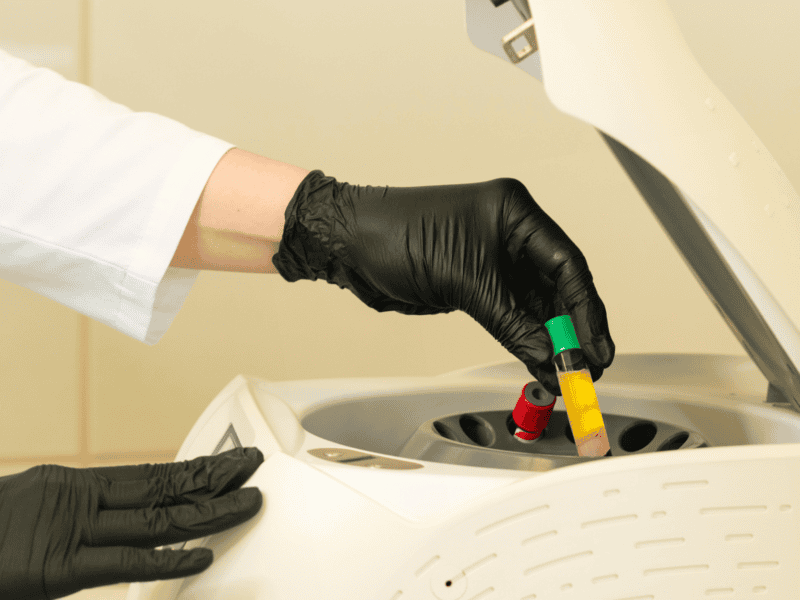
PRP therapy begins with a simple blood draw. The blood is placed in a specialized centrifuge that separates and concentrates platelets. These platelets contain growth factors and proteins that play an important role in tissue repair and healing.
Once prepared, the concentrated platelet solution is injected into the injured area, often with ultrasound guidance to ensure precision. The goal is to stimulate the body’s natural healing response in damaged tendons, ligaments, or other soft tissues.
Unlike corticosteroid injections, which primarily focus on reducing inflammation and pain, PRP is intended to support tissue healing at the source of the injury.
PPR for Shoulder Injuries
The shoulder is a complex joint that relies on muscles, tendons, and ligaments to maintain stability and movement. Because of this complexity, shoulder injuries can become chronic and difficult to treat.
Some shoulder conditions that may be evaluated for PRP therapy include:
- Rotator cuff tendinopathy
- Partial rotator cuff tears
- Shoulder impingement syndrome
- Chronic tendon injuries
- Biceps tendon irritation
- Shoulder instability related to soft tissue damage
Patients often experience symptoms such as:
- Pain when lifting the arm
- Weakness in the shoulder
- Difficulty reaching overhead
- Nighttime shoulder pain
- Reduced range of motion
When conservative treatments such as physical therapy, activity modification, and anti-inflammatory medications have not provided sufficient relief, PRP may be considered as part of a comprehensive treatment plan.
What Is Tennis Elbow?
Despite its name, tennis elbow does not only affect tennis players. The condition, medically known as lateral epicondylitis, occurs when the tendons that attach to the outside of the elbow become irritated or damaged.
Tennis elbow commonly affects:
- Construction workers
- Painters
- Mechanics
- Golfers
- Racquet sport athletes
- Office workers who perform repetitive hand and wrist motions
Typical symptoms include:
- Pain on the outer side of the elbow
- Weak grip strength
- Pain when lifting objects
- Discomfort while shaking hands
- Increased pain with repetitive wrist movements
Because tennis elbow often involves tendon degeneration rather than simple inflammation, some patients continue to experience symptoms for months or even years despite standard treatments.
Why PRP Is Popular for Tennis Elbow
PRP has become one of the most commonly discussed regenerative treatments for chronic tennis elbow because the condition often involves microscopic tendon damage.
The growth factors contained in PRP may help stimulate the body’s natural repair processes within the affected tendon. For patients who have not responded to physical therapy, bracing, medications, or corticosteroid injections, PRP may provide another treatment option before considering surgery.
Many specialists view PRP as particularly appealing for chronic tendon conditions because it aims to address the underlying tissue injury rather than simply masking symptoms.
What to Expect During Treatment
The PRP procedure is typically performed in an outpatient setting and usually takes less than an hour.
- Drawing a small sample of blood.
- Processing the blood to isolate concentrated platelets.
- Preparing the treatment area.
- Using ultrasound guidance to accurately place the PRP injection.
- Providing post-procedure instructions and activity guidelines.
Most patients return home shortly after treatment.
It is common to experience mild soreness for several days following the injection as the healing response begins. Providers may recommend modifying activities during the early recovery period.
Recovery and Rehabilitation
PRP is not an instant pain-relief treatment. Instead, it is designed to support healing over time.
Recovery timelines vary depending on the condition, severity of injury, and individual factors. Many patients participate in a structured rehabilitation program that may include:
- Physical therapy
- Stretching exercises
- Strengthening programs
- Activity modification
- Ergonomic improvements
Improvements often occur gradually over weeks and months as tissue healing progresses.
Who May Be a Candidate for PRP?
PRP may be considered for patients who:
- Have chronic shoulder pain
- Have tennis elbow that has not improved with conservative care
- Want to avoid or delay surgery
- Are looking for regenerative treatment options
- Have partial tendon injuries rather than complete tears
A thorough evaluation is necessary to determine whether PRP is appropriate. Not every shoulder or elbow condition is a candidate for regenerative therapies, and treatment recommendations should always be individualized.
The Importance of Accurate Diagnosis
Before pursuing PRP therapy, obtaining an accurate diagnosis is essential. Advanced imaging studies, physical examination findings, and a review of previous treatments help determine whether PRP may be beneficial.
Conditions such as complete tendon ruptures, severe arthritis, or significant structural damage may require alternative treatment approaches, including surgery.
Using PRP for Shoulder Injuries and Tennis Elbow
Shoulder injuries and tennis elbow can significantly impact work, recreation, and everyday activities. While surgery remains an important treatment option for certain conditions, many patients seek less invasive alternatives that may help support healing and recovery.
PRP therapy represents an innovative regenerative medicine approach that uses the body’s own healing mechanisms to address tendon and soft tissue injuries. For appropriately selected patients, PRP may offer a non-surgical option worth exploring as part of a comprehensive pain management and orthopedic treatment strategy.
If chronic shoulder pain or tennis elbow is interfering with your quality of life, discussing regenerative treatment options with a qualified specialist may help you better understand the most appropriate path toward recovery.
[gravityform id=1 title=false description=false]
 Prolotherapy for Joint and Ligament Pain: A Natural Approach to Healing