
Chronic pain affects millions of Americans and can significantly interfere with daily life, work, sleep, and overall well-being. When conservative measures such as rest and physical therapy are not enough, patients are often faced with choosing between traditional pain management treatments and newer regenerative medicine options.
At Center for Pain Management, we believe patients should understand the differences between these approaches so they can make informed decisions about their care. Below, we compare regenerative medicine and traditional pain treatments, including how they work, their goals, and who may benefit most from each.
What Are Traditional Pain Treatments?
Traditional pain management focuses primarily on reducing inflammation and blocking pain signals to improve comfort and function. These treatments often include:
- Oral medications (NSAIDs, muscle relaxers, nerve medications)
- Corticosteroid injections
- Physical therapy
- Radiofrequency ablation
- Epidural steroid injections
- Surgical intervention when necessary
Corticosteroid injections, for example, are commonly used to decrease inflammation in joints or around irritated nerves. Epidural steroid injections may help relieve pain from herniated discs or spinal stenosis. These treatments can provide meaningful relief, especially during acute flare-ups.
However, traditional treatments typically manage symptoms rather than addressing the underlying tissue damage or degeneration causing the pain.
What Is Regenerative Medicine?
Regenerative medicine focuses on supporting the body’s natural healing processes. Rather than simply reducing inflammation or blocking pain signals, these therapies aim to promote tissue repair and regeneration.
Common regenerative treatments include:
- Platelet-Rich Plasma (PRP) therapy
- Bone marrow aspirate concentrate (BMAC)
- Other biologic therapies
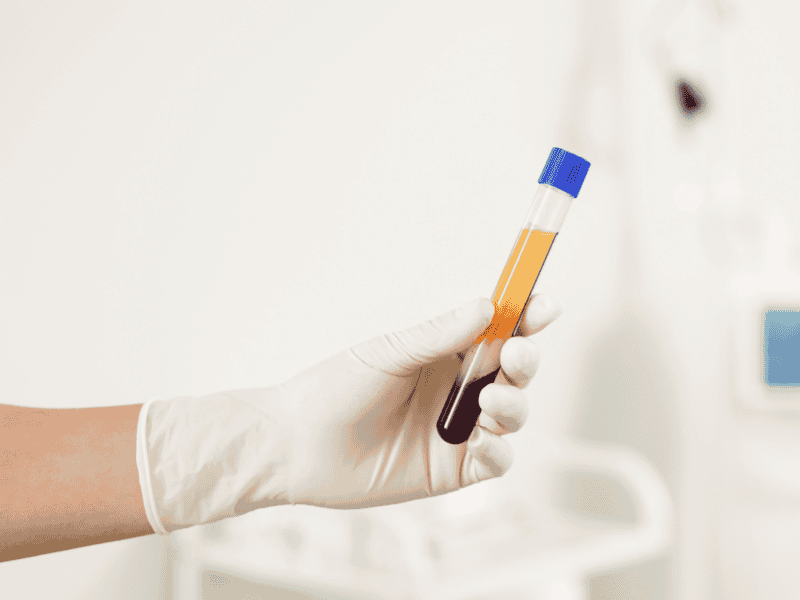
PRP therapy involves concentrating platelets from a patient’s own blood and injecting them into an injured or degenerative area. Platelets contain growth factors that may stimulate healing in tendons, ligaments, joints, and soft tissues.
Regenerative medicine is commonly used for:
- Mild to moderate osteoarthritis
- Tendon injuries
- Ligament injuries
- Certain chronic joint conditions
The goal is long-term improvement by encouraging the body to repair itself.
Key Differences Between Regenerative Medicine and Traditional Treatments
1. Goal of Treatment
- Traditional treatments: Reduce pain and inflammation.
- Regenerative medicine: Support tissue healing and regeneration.
2. Timeline of Relief
- Traditional treatments often provide faster short-term relief.
- Regenerative therapies may take several weeks to show results but aim for longer-lasting improvement.
3. Mechanism of Action
- Steroid injections suppress inflammation.
- PRP and similar therapies stimulate biological healing processes.
4. Repeat Treatments
- Steroid injections may need to be repeated periodically and are typically limited due to potential side effects.
- Regenerative treatments may require a series of injections but are generally designed for longer-term structural benefit.
Which Option Is Right for You?
There is no one-size-fits-all answer. The right treatment depends on several factors, including:
- The cause and severity of your pain
- Your overall health
- Your activity level
- Previous treatments you’ve tried
- Your long-term goals
For example, someone experiencing severe nerve compression may benefit more from traditional interventional procedures. In contrast, a patient with early joint degeneration who wants to avoid surgery may be a strong candidate for regenerative therapy.
At Center for Pain Management, we develop individualized treatment plans tailored to each patient’s needs. In many cases, a comprehensive approach may combine both traditional and regenerative options for optimal results.
A Personalized Approach to Pain Relief
Pain management continues to evolve. While traditional treatments remain highly effective for many conditions, regenerative medicine offers an exciting option for patients seeking a more biologic, restorative approach.
If you are living with chronic pain and want to explore your options, our team at Center for Pain Management is here to help. We will thoroughly evaluate your condition, discuss your goals, and design a treatment plan that supports both immediate relief and long-term function.
Contact Center for Pain Management today to schedule a consultation and learn which approach may be right for you.
[gravityform id=1 title=false description=false]
 Sleep Hygiene Tips for Better Pain Management