

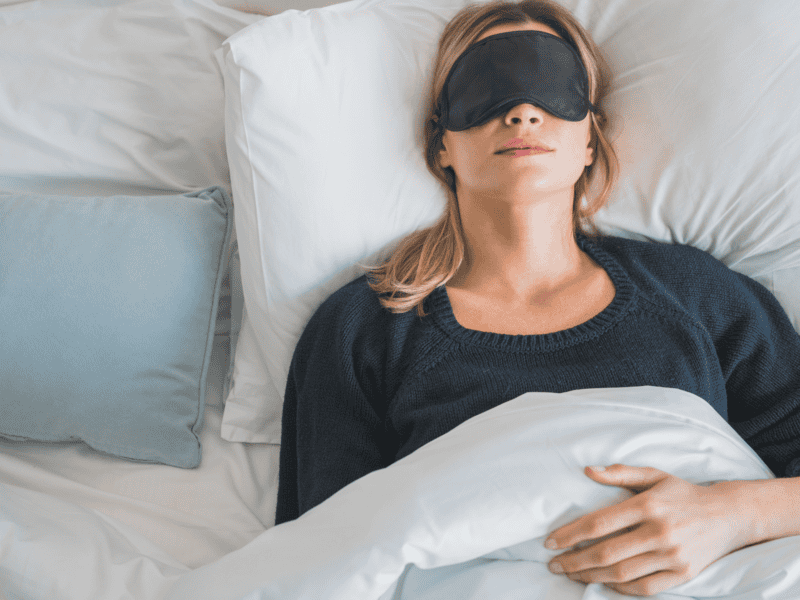
Chronic pain and poor sleep often go hand in hand. If you live with back pain, arthritis, nerve pain, or other persistent discomfort, you may already know how difficult it can be to get a restful night’s sleep. Unfortunately, lack of quality sleep doesn’t just make you tired—it can actually make pain feel worse.
Research shows that inadequate sleep can increase inflammation, heighten pain sensitivity, and reduce your ability to cope with discomfort. The good news? Improving your sleep hygiene—the habits and environment that support healthy sleep—can play a powerful role in better pain management.
Here are practical, evidence-informed sleep hygiene tips to help you rest more comfortably and support long-term pain relief.
Why Sleep Matters for Pain
Sleep is when your body repairs tissues, regulates hormones, and restores the nervous system. During deep sleep, your body produces growth hormone and reduces stress hormone levels, both of which are important for healing and recovery.
When sleep is disrupted:
- Pain thresholds decrease
- Inflammation may increase
- Muscle tension worsens
- Fatigue amplifies discomfort
- Mood and stress levels decline
Conditions such as fibromyalgia, arthritis, and chronic back pain are especially sensitive to poor sleep. Improving sleep quality can often reduce flare-ups and improve daily function.
1. Keep a Consistent Sleep Schedule
Your body thrives on routine. Going to bed and waking up at the same time every day—even on weekends—helps regulate your internal clock.
- Faster sleep onset
- Deeper sleep cycles
- Reduced nighttime awakenings
Aim for 7–9 hours of sleep per night, depending on your individual needs.
2. Create a Pain-Friendly Sleep Environment
Mattress and Pillow Support
Proper spinal alignment can reduce pressure points and minimize morning stiffness. Depending on your condition:
- Side sleepers may benefit from a pillow between the knees.
- Back sleepers may benefit from a small pillow under the knees.
- Those with neck pain should ensure their pillow supports the natural curve of the neck.
Optimize the Environment
- Keep the room cool (around 65–68°F).
- Use blackout curtains or an eye mask.
- Reduce noise with white noise or a fan.
A calm, comfortable environment helps your nervous system shift into rest mode.
3. Limit Screen Time Before Bed
Blue light from phones, tablets, and TVs suppresses melatonin, the hormone that signals sleep.
- Turn off screens 60 minutes before bed.
- Use night-shift or blue-light filters if needed.
- Replace scrolling with reading, stretching, or relaxation exercises.
4. Incorporate Gentle Evening Movement
Light stretching, restorative yoga, or short walks in the evening can reduce muscle tension and improve circulation without overstimulating the body.
Avoid intense exercise within 2–3 hours of bedtime, as it may increase alertness.
5. Manage Stress Before Bed
- Deep breathing exercises
- Progressive muscle relaxation
- Guided meditation
- Journaling to release worries
Even 5–10 minutes of relaxation can calm the nervous system and prepare your body for sleep.
6. Be Mindful of Evening Diet and Hydration
- Avoid caffeine after early afternoon.
- Limit alcohol, which disrupts deep sleep.
- Avoid heavy meals right before bed.
- Reduce fluids close to bedtime.
7. Don’t Stay Awake in Bed for Long Periods
If you can’t fall asleep after 20–30 minutes, get up and do something calm in dim light until you feel sleepy.
8. Discuss Persistent Sleep Problems with Your Provider
If sleep remains difficult despite good habits, underlying conditions such as sleep apnea or medication side effects may be contributing.
The Bottom Line
Improving sleep hygiene is a simple but powerful way to support better pain control. While it may not eliminate pain entirely, consistent healthy sleep habits can reduce pain sensitivity, improve mood, support healing, and enhance overall quality of life.
If chronic pain is interfering with your sleep—or your sleep is worsening your pain—talk with your healthcare provider about creating a personalized plan that addresses both.
[gravityform id=1 title=false description=false]
 Understanding Pain Flare-Ups: Triggers and How to Prevent Them