
Chronic spine pain can be frustrating, especially when traditional treatments like medication, physical therapy, or injections only provide temporary relief. For patients dealing with conditions such as disc tears or sacroiliac (SI) joint dysfunction, regenerative medicine therapies like Platelet-Rich Plasma (PRP) injections are becoming an increasingly popular option. These treatments focus on stimulating the body’s natural healing processes rather than simply masking pain.
But can PRP really help spine and SI joint pain caused by disc injuries? Let’s explore how this innovative treatment works and which patients may benefit from it.
Understanding Disc Tears and SI Joint Pain
The spine is made up of vertebrae separated by discs that act as cushions, absorbing shock and allowing flexibility. Each disc has a tough outer layer called the annulus fibrosus and a softer inner core known as the nucleus pulposus.
A disc tear, also called an annular tear, occurs when the outer layer of the disc develops small cracks or injuries. These tears can result from aging, repetitive strain, sports injuries, or sudden trauma. When the disc is damaged, nearby nerves may become irritated, causing chronic back pain, stiffness, or even radiating discomfort into the hips or legs.
Similarly, the sacroiliac joints—located where the spine connects to the pelvis—can also be a source of persistent pain. SI joint dysfunction can occur due to ligament strain, inflammation, instability, or degenerative changes. Patients often describe pain in the lower back, buttocks, or upper legs that worsens with standing or prolonged sitting.
What Is PRP Therapy?
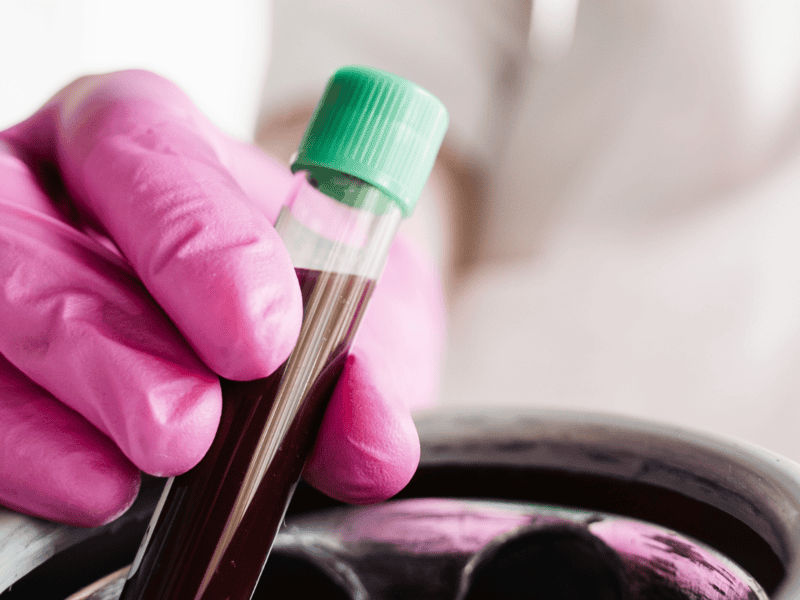
Platelet-Rich Plasma (PRP) therapy is a regenerative medicine treatment that uses components from a patient’s own blood to stimulate healing in injured tissues.
The process typically involves:
- Drawing a small sample of the patient’s blood
- Spinning the blood in a centrifuge to concentrate the platelets
- Injecting the platelet-rich plasma directly into the injured area
Platelets contain powerful growth factors and proteins that help regulate inflammation and promote tissue repair. By delivering a concentrated dose of these healing factors to the injured region, PRP aims to encourage the body to repair damaged tissues more effectively.
How PRP May Help Disc Tears
Disc tissue has limited blood supply, which means it doesn’t always heal well on its own. This is one reason why disc injuries can lead to long-lasting pain.
- Stimulating the repair of small tears in the disc’s outer layer
- Reducing inflammation around irritated spinal nerves
- Supporting healthier tissue regeneration in surrounding structures
- Improving stability in the affected spinal segment
While PRP does not “regrow” an entire disc, it may help improve the healing environment and reduce symptoms caused by small annular tears.
PRP for Sacroiliac Joint Dysfunction
PRP is also being used to treat sacroiliac joint pain, particularly when ligament damage or joint instability is present.
The SI joint is stabilized by strong ligaments, and when those ligaments become weakened or inflamed, the joint may move abnormally and cause pain. PRP injections may help by strengthening damaged ligaments and promoting healing in the surrounding tissue.
Benefits of PRP for Spine and SI Joint Pain
Minimally Invasive Treatment
PRP injections are performed in an outpatient setting and typically require little to no downtime. Most patients can return to normal activities within a few days.
Uses the Body’s Natural Healing Ability
Because PRP is derived from the patient’s own blood, the risk of allergic reactions or rejection is very low.
Potential for Longer-Lasting Relief
Unlike steroid injections that primarily reduce inflammation temporarily, PRP focuses on promoting tissue repair, which may lead to more durable improvements.
May Delay or Prevent Surgery
For some patients with mild to moderate disc injuries or SI joint dysfunction, regenerative treatments may reduce symptoms enough to avoid surgical intervention.
Who May Be a Good Candidate?
- Patients with confirmed disc tears or SI joint dysfunction
- Those who continue to experience pain despite conservative treatments
- Individuals looking for non-surgical treatment options
- Patients without severe spinal instability requiring surgery
What to Expect After Treatment
After a PRP injection, patients may experience mild soreness or inflammation at the injection site for several days. This reaction is often part of the body’s natural healing response.
Many patients begin noticing improvement within a few weeks as tissue repair progresses, with continued improvement over several months.
The Future of Regenerative Spine Care
Regenerative medicine is rapidly evolving, and PRP is one of the most widely used treatments in this field. While research continues to evaluate its long-term outcomes, early studies and clinical experience suggest it may offer meaningful relief for certain patients with disc injuries and SI joint pain.
If chronic back or pelvic pain is interfering with your daily life, regenerative treatments like PRP may be worth discussing with a qualified pain management specialist.
[gravityform id=1 title=false description=false]