• Menu
  • Skip to right header navigation
  • Skip to main content
  • Skip to footer

Center for Pain Management Certified Pain Specialists written logo

Pain Clinic & Regenerative Medicine

  • HOME
  • SERVICES
  • ABOUT
  • PATIENT RESOURCES
    • INSURANCE
    • PATIENT FORMS
    • PAYMENT OPTIONS
  • EDUCATION
    • VIDEOS
    • BLOG
  • CONTACT
  • HOME
  • SERVICES
  • ABOUT
  • PATIENT RESOURCES
    • INSURANCE
    • PATIENT FORMS
    • PAYMENT OPTIONS
  • EDUCATION
    • VIDEOS
    • BLOG
  • CONTACT
teal banner of a pair of glasses on a desk, education

How Nutrition Impacts Inflammation and Chronic Pain

nutrition impacts inflammation

February 4, 2026 By //  by Center for Pain Management

Chronic pain and inflammation are deeply interconnected—and what you eat can play a powerful role in either fueling pain or helping your body heal. At the Center for Pain Management, we see every day how diet influences pain levels, energy, and overall quality of life. While nutrition isn’t a cure-all, adopting anti-inflammatory eating habits can reduce inflammation, support immune health, balance hormones, improve digestion, and even enhance mood.

Understanding Inflammation and Chronic Pain

Inflammation is your body’s natural response to injury or danger—it’s part of healing. But when inflammation becomes chronic (lingering and unchecked), it can contribute to conditions like arthritis, fibromyalgia, low back pain, migraines, and even autoimmune disorders.

Chronic inflammation can:

  • Damage healthy tissue
  • Sensitize pain receptors
  • Slow healing
  • Disrupt sleep and mood
  • Reduce energy

Diet plays a major role in modulating inflammation. Certain foods contain compounds that either promote inflammatory pathways or block them.

How Certain Foods Can Increase Inflammation

Some foods are known to trigger inflammatory responses and can make chronic pain worse, including:

  • Highly Processed Foods: Packaged snacks, sugary drinks, fast food
  • Refined Carbohydrates: White bread, pastries
  • Unhealthy Fats: Trans fats, hydrogenated oils
  • Excess Sugar & Sweeteners

Foods That Help Reduce Inflammation

Certain foods contain anti-inflammatory nutrients that help calm immune responses and support healing:

Omega-3 Rich Foods

Salmon, sardines, mackerel, flaxseeds, chia seeds, walnuts

Colorful Fruits & Vegetables

Berries, leafy greens, sweet potatoes, bell peppers

Whole Grains

Quinoa, brown rice, oats, whole wheat

Herbs & Spices

Turmeric (curcumin), ginger, garlic

Healthy Fats

Olive oil, avocado, nuts & seeds

Seasonal Anti-Inflammatory Recipes

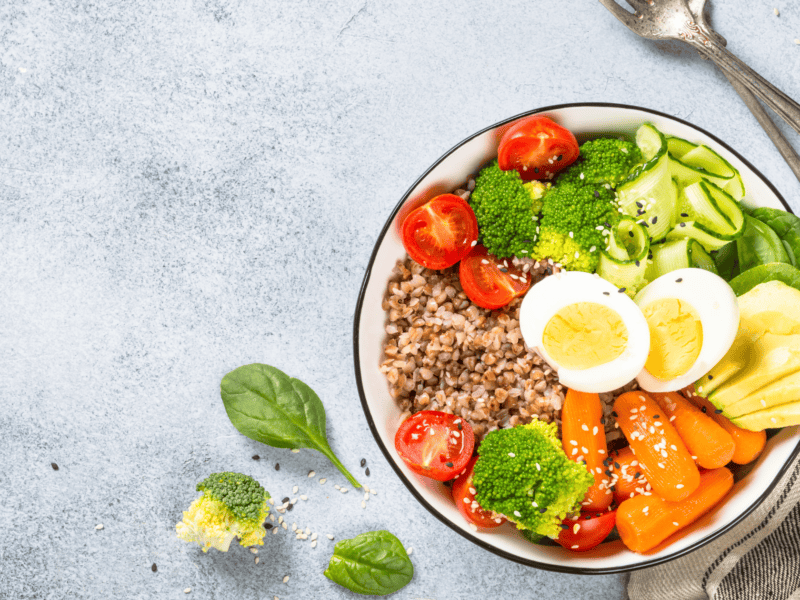
1. Autumn Roasted Vegetable & Quinoa Bowl

2. Winter Citrus & Salmon Salad

3. Spring Ginger-Turmeric Smoothie

4. Summer Berry & Walnut Overnight Oats

Tips to Maximize Anti-Inflammatory Eating

  • Prep ahead
  • Flavor with herbs
  • Avoid trigger foods
  • Hydrate

Final Thoughts

Nutrition won’t replace medical pain treatment—but it *can* be a powerful ally. By learning how nutrition impact inflammation, you can choose wholesome, anti-inflammatory foods and preparing nutrient-dense meals. Support your body’s ability to manage inflammation and chronic pain naturally.

[gravityform id=1 title=false description=false]

Category: Chronic PainTag: anti-inflammatory diet, diet and inflammation, nutrition and chronic pain, seasonal food for inflammation

Previous Post: «habits for pain relief Spring Reset: Healthy Movement Habits for Pain Relief

Next Post: Understanding Pain Flare-Ups: Triggers and How to Prevent Them pain flare-ups»

Footer

#
(910) 442-1200
MONDAY-THURSDAY
7:30AM-4:30PM
FRIDAY
7:30AM-12:00PM

QUICK LINKS

• SERVICES
• ABOUT
• PATIENT RESOURCES
• FAQ VIDEOS
• BLOG
• CONTACT US

FOLLOW US

  • Facebook
  • Instagram

Site Footer

*DISCLAMIER: Like all medical procedures, Center for Pain Management procedures have a success and failure rate. Patient reviews and testimonials on this site should not be interpreted as a statement on the effectiveness of our treatments for anyone else. Providers listed on the Center for Pain Management website are for informational purposes only and are not a recommendation from Center for Pain Management for a specific provider or a guarantee of the outcome of any treatment you receive.

Copyright © 2026 · Center for Pain Management

Manage Consent
To provide the best experiences, we use technologies like cookies to store and/or access device information. Consenting to these technologies will allow us to process data such as browsing behavior or unique IDs on this site. Not consenting or withdrawing consent, may adversely affect certain features and functions.
Functional Always active
The technical storage or access is strictly necessary for the legitimate purpose of enabling the use of a specific service explicitly requested by the subscriber or user, or for the sole purpose of carrying out the transmission of a communication over an electronic communications network.
Preferences
The technical storage or access is necessary for the legitimate purpose of storing preferences that are not requested by the subscriber or user.
Statistics
The technical storage or access that is used exclusively for statistical purposes. The technical storage or access that is used exclusively for anonymous statistical purposes. Without a subpoena, voluntary compliance on the part of your Internet Service Provider, or additional records from a third party, information stored or retrieved for this purpose alone cannot usually be used to identify you.
Marketing
The technical storage or access is required to create user profiles to send advertising, or to track the user on a website or across several websites for similar marketing purposes.
  • Manage options
  • Manage services
  • Manage {vendor_count} vendors
  • Read more about these purposes
View preferences
  • {title}
  • {title}
  • {title}