
Chronic pain and inflammation are deeply interconnected—and what you eat can play a powerful role in either fueling pain or helping your body heal. At the Center for Pain Management, we see every day how diet influences pain levels, energy, and overall quality of life. While nutrition isn’t a cure-all, adopting anti-inflammatory eating habits can reduce inflammation, support immune health, balance hormones, improve digestion, and even enhance mood.
Understanding Inflammation and Chronic Pain
Inflammation is your body’s natural response to injury or danger—it’s part of healing. But when inflammation becomes chronic (lingering and unchecked), it can contribute to conditions like arthritis, fibromyalgia, low back pain, migraines, and even autoimmune disorders.
Chronic inflammation can:
- Damage healthy tissue
- Sensitize pain receptors
- Slow healing
- Disrupt sleep and mood
- Reduce energy
Diet plays a major role in modulating inflammation. Certain foods contain compounds that either promote inflammatory pathways or block them.
How Certain Foods Can Increase Inflammation
Some foods are known to trigger inflammatory responses and can make chronic pain worse, including:
- Highly Processed Foods: Packaged snacks, sugary drinks, fast food
- Refined Carbohydrates: White bread, pastries
- Unhealthy Fats: Trans fats, hydrogenated oils
- Excess Sugar & Sweeteners
Foods That Help Reduce Inflammation
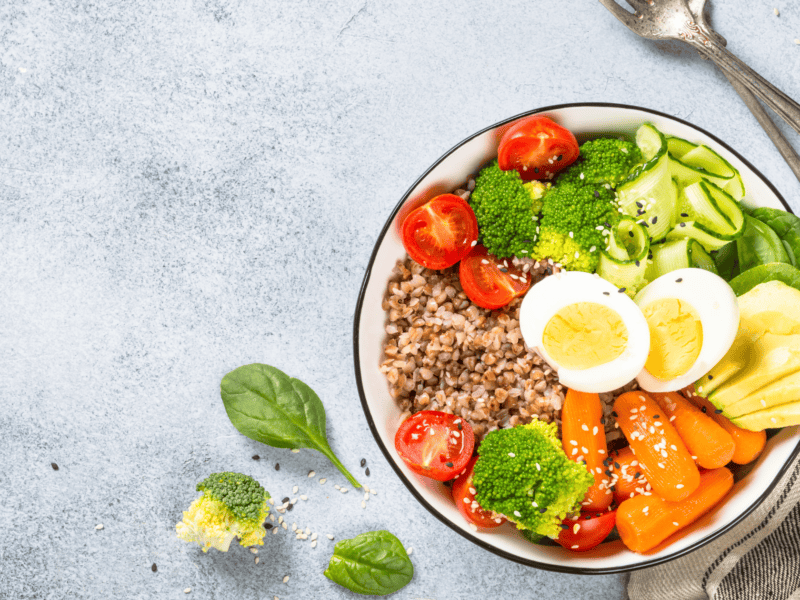
Certain foods contain anti-inflammatory nutrients that help calm immune responses and support healing:
Omega-3 Rich Foods
Salmon, sardines, mackerel, flaxseeds, chia seeds, walnuts
Colorful Fruits & Vegetables
Berries, leafy greens, sweet potatoes, bell peppers
Whole Grains
Quinoa, brown rice, oats, whole wheat
Herbs & Spices
Turmeric (curcumin), ginger, garlic
Healthy Fats
Olive oil, avocado, nuts & seeds
Seasonal Anti-Inflammatory Recipes
1. Autumn Roasted Vegetable & Quinoa Bowl
2. Winter Citrus & Salmon Salad
3. Spring Ginger-Turmeric Smoothie
4. Summer Berry & Walnut Overnight Oats
Tips to Maximize Anti-Inflammatory Eating
- Prep ahead
- Flavor with herbs
- Avoid trigger foods
- Hydrate
Final Thoughts
Nutrition won’t replace medical pain treatment—but it *can* be a powerful ally. By learning how nutrition impact inflammation, you can choose wholesome, anti-inflammatory foods and preparing nutrient-dense meals. Support your body’s ability to manage inflammation and chronic pain naturally.
[gravityform id=1 title=false description=false]
 Spring Reset: Healthy Movement Habits for Pain Relief