
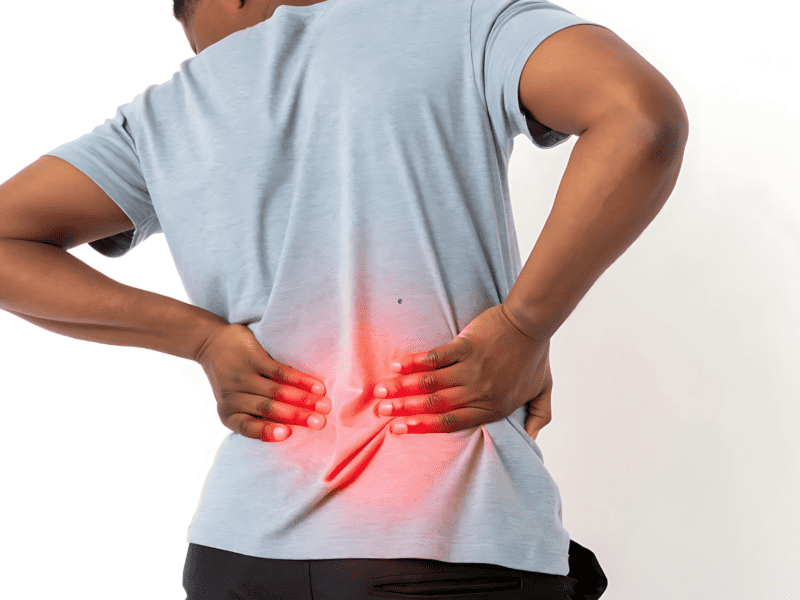
Disc problems are a common cause of back and neck pain, often affecting mobility, sleep, and overall quality of life. Conditions such as disc degeneration, disc bulges, and herniated discs can lead many patients to explore alternatives beyond surgery or long-term medications. Regenerative therapy has gained attention as a promising option—but it’s also surrounded by confusion and misinformation. Understanding the facts versus the myths can help patients make informed decisions about their spine care.
Understanding Disc Problems
Spinal discs act as cushions between the vertebrae, absorbing shock and allowing flexible movement. Over time, discs can lose hydration, develop small tears, or bulge outward, irritating nearby nerves. Common symptoms include localized back pain, stiffness, numbness, tingling, or radiating pain into the arms or legs.
Traditional treatments often include physical therapy, medications, epidural injections, or surgery in severe cases. Regenerative therapies aim to support the body’s natural repair processes rather than simply masking symptoms.
What Is Regenerative Therapy for Disc Pain?
Regenerative therapy refers to treatments designed to promote healing by using the body’s own biological materials. In spine care, this often includes platelet-rich plasma (PRP) or cell-based therapies derived from a patient’s blood or tissue. These treatments are typically delivered using image guidance to precisely target damaged disc structures.
The goal is not to instantly “fix” a disc, but to reduce inflammation, improve the disc environment, and potentially slow further degeneration.
Common Myths About Regenerative Disc Therapy
- Myth #1: Regenerative therapy instantly rebuilds damaged discs
While regenerative treatments may support healing, they do not magically regrow a severely damaged disc. Results develop gradually and vary based on the extent of degeneration and individual health factors. - Myth #2: It works for everyone
Not every disc problem is a good candidate. Advanced disc collapse, spinal instability, or severe nerve compression may still require other interventions. - Myth #3: It replaces surgery in all cases
Regenerative therapy is best viewed as part of a broader treatment spectrum. Some patients may still need surgery, while others may avoid it altogether. - Myth #4: Results are immediate
Improvement often occurs over weeks or months as the body responds biologically. Patience and realistic expectations are key.
The Facts Patients Should Know
- Regenerative therapy is minimally invasive and typically performed on an outpatient basis
- Image guidance improves accuracy and safety
- Recovery time is usually shorter than surgical options
- Outcomes depend on diagnosis, severity, and overall health
- These therapies are regulated and studied, though research is still evolving under oversight from organizations such as the U.S. Food and Drug Administration
Who May Benefit Most?
Patients with early to moderate disc degeneration, disc-related back pain without severe instability, or those seeking alternatives to surgery may be good candidates. A comprehensive evaluation, including imaging and physical examination, is essential to determine appropriateness.
Setting Realistic Expectations
Regenerative therapy is not a quick fix or cure-all. Instead, it may reduce pain, improve function, and help delay or prevent more invasive procedures. Combining regenerative treatments with physical therapy, posture correction, and lifestyle modifications often leads to better outcomes.
Final Thoughts
Separating facts from myths is critical when considering regenerative therapy for disc problems. While these treatments hold promise, success depends on proper patient selection, expert technique, and realistic expectations. A personalized, non-surgical approach may offer meaningful relief and improved quality of life for many individuals living with disc-related pain.
If you’re struggling with persistent back or neck pain, consult a qualified pain or spine specialist to explore whether regenerative therapy may be appropriate for your condition.
[gravityform id=1 title=false description=false]
 Preparing for Spring Sports: Joint & Muscle Protection Tips