

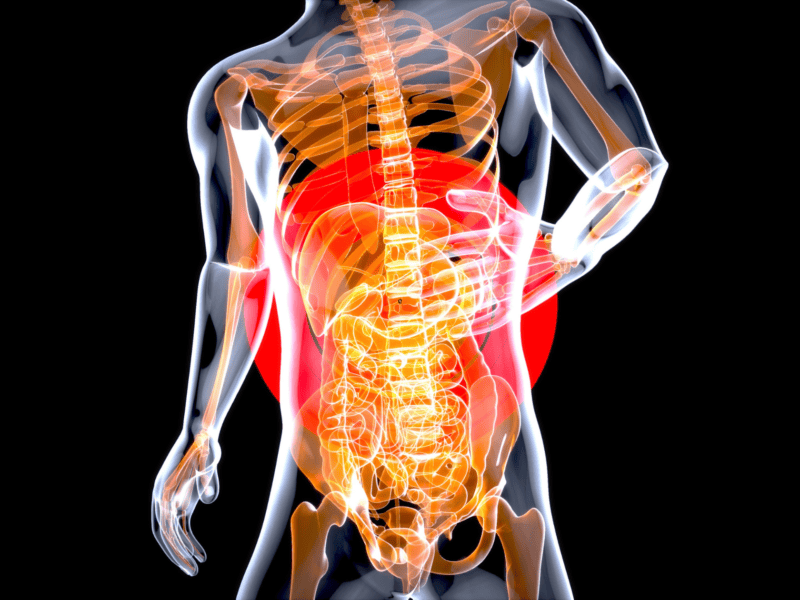
Chronic pain is more than just a physical sensation—it can disrupt your daily life, affect your mood, and even interfere with your sleep. One of the key contributors to chronic pain is inflammation. While inflammation is a natural immune response designed to protect your body, persistent inflammation can lead to ongoing discomfort and worsen chronic conditions like arthritis, neuropathy, and back pain. The good news is that there are natural strategies you can use to help reduce inflammation and improve your quality of life.
Understanding Inflammation and Chronic Pain
Inflammation occurs when your body responds to injury, infection, or stress. In the short term, it helps repair tissues and fight harmful agents. However, when inflammation becomes chronic, it can contribute to pain, fatigue, and other health issues. Chronic inflammation can affect joints, muscles, and nerves, leading to persistent pain that often requires a multi-faceted approach to manage.
Anti-Inflammatory Nutrition
Your diet plays a major role in managing inflammation. Certain foods contain compounds that help reduce inflammatory processes in the body:
- Fruits and vegetables: Berries, oranges, spinach, kale, and broccoli are rich in antioxidants and vitamins that combat inflammation.
- Healthy fats: Omega-3 fatty acids, found in fatty fish, walnuts, and flaxseeds, can reduce inflammatory markers.
- Whole grains: Oats, quinoa, and brown rice provide fiber that supports gut health, which is closely linked to inflammation.
- Herbs and spices: Turmeric, ginger, garlic, and cinnamon have natural anti-inflammatory properties.
Conversely, limiting processed foods, sugary drinks, and excessive red meat can help prevent spikes in inflammation.
Regular Physical Activity
Exercise is one of the most effective ways to reduce chronic inflammation. Activities like walking, swimming, yoga, and strength training improve circulation, promote joint health, and reduce stress hormones that contribute to inflammation. Even moderate activity for 20–30 minutes a day can make a noticeable difference in your pain levels.
Stress Management and Mind-Body Techniques
Chronic stress can worsen inflammation by releasing stress hormones like cortisol. Mind-body practices are a natural way to lower stress and support your body’s anti-inflammatory response:
- Meditation and deep breathing: These techniques calm the nervous system and lower stress hormones.
- Yoga and tai chi: Gentle movements combined with mindful breathing help reduce pain and improve flexibility.
- Mindfulness practices: Paying attention to your body and thoughts without judgment can improve both mental and physical well-being.
Quality Sleep
Sleep is critical for managing inflammation. Poor sleep can increase inflammatory markers and make pain more intense. Aim for 7–9 hours of quality sleep per night and establish a consistent sleep routine. Limiting screen time before bed and creating a calming environment can improve your sleep quality and, in turn, help your body reduce inflammation naturally.
Supplements and Natural Remedies
Certain supplements may support your body’s anti-inflammatory processes:
- Omega-3 fatty acids: Available as fish oil or plant-based alternatives.
- Turmeric/curcumin: Often combined with black pepper for better absorption.
- Vitamin D: Supports immune function and can help reduce inflammation in those who are deficient.
Always consult with your healthcare provider before starting new supplements, especially if you are taking medications.
Building a Holistic Approach
Reducing chronic inflammation requires a combination of lifestyle adjustments rather than a single solution. Incorporating anti-inflammatory foods, regular movement, stress reduction techniques, quality sleep, and mindful supplementation can collectively make a significant impact. Remember, small consistent changes over time often yield the best results.
Chronic pain and inflammation are complex, but adopting natural strategies empowers you to take control of your health. By focusing on holistic approaches, you can reduce inflammation, manage pain, and improve your overall well-being.
 Emerging Treatments for Neuropathic Pain