
When you’re living with pain—whether from an injury, chronic condition, or after surgery—your body is working harder than usual to repair tissues and calm inflammation. While treatments like physical therapy, regenerative medicine, or interventional pain procedures play a key role, nutrition is one of the most powerful and overlooked tools in the healing and pain recovery process.
The foods you eat influence inflammation levels, energy, sleep, immune function, and tissue repair. When your diet supports recovery, you often feel improvements in pain, mobility, and overall well-being.
Below, we explore how nutrition affects healing—and where to start if you want to eat for less pain.
Why Nutrition Matters for Healing
1. Reducing Chronic Inflammation
Inflammation is part of healing, but too much of it can prolong pain. Diets high in sugar, processed foods, and unhealthy fats can keep inflammation elevated.
Anti-inflammatory foods can help quiet the body’s response and reduce pain flares:
- Fatty fish (salmon, mackerel)
- Berries, cherries, oranges
- Leafy greens
- Turmeric and ginger
- Nuts and olive oil
2. Supporting Tissue Repair
Your body needs specific nutrients to rebuild muscles, ligaments, cartilage, and nerves:
- Protein (chicken, eggs, beans, Greek yogurt)
- Vitamin C (citrus, bell peppers)
- Zinc (pumpkin seeds, chickpeas)
- Collagen-building amino acids (bone broth, gelatin, lean meats)
3. Improving Gut Health and Immunity
A healthy gut absorbs nutrients better, reduces inflammation, and supports immune function. Foods rich in fiber and probiotics nourish the microbiome:
- Oats
- Beans and lentils
- Fermented foods (yogurt, kefir, kimchi)
- Vegetables and fruits
Key Nutrients That Enhance Recovery
Omega-3 Fatty Acids
Reduce inflammation, support joint lubrication, and promote nerve health.
Found in: salmon, sardines, walnuts, chia seeds.
Magnesium
Helps relax muscles, reduce cramping, and improve sleep—important for recovery.
Found in: spinach, almonds, avocado, black beans.
Vitamin D
Supports bone health, immune function, and may reduce pain sensitivity.
Found in: sunlight, fortified dairy, mushrooms, supplements (if prescribed).
Antioxidants
Fight oxidative stress that slows healing.
Found in: berries, green tea, dark chocolate, colorful vegetables.
Foods That May Worsen Pain or Slow Healing
- Excess sugar
- Deep-fried foods
- Processed meats
- Soda and high-fructose beverages
- Excess alcohol
Hydration: A Simple but Powerful Tool
Dehydration can worsen muscle pain, slow tissue healing, and stiffen joints. Aim for:
- 6–8 glasses of water daily
- More if you’re active, sweating, or healing from surgery or injury
Adding electrolytes or herbal teas can also support recovery.
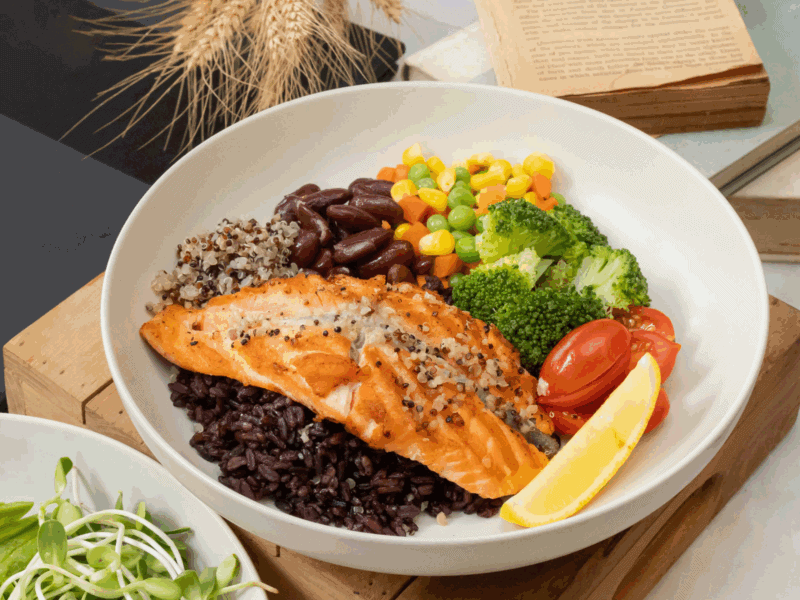
Putting It All Together: A Sample “Healing Plate”
To reduce inflammation and fuel recovery, build meals like:
- ½ plate vegetables (spinach, broccoli, sweet potatoes, peppers)
- ¼ plate high-quality protein (fish, chicken, tofu, eggs)
- ¼ plate whole grains or legumes (quinoa, beans, lentils)
- Healthy fat (olive oil, avocado, nuts)
When Nutrition and Pain Care Work Together
Combining nutritional support with your existing treatment plan—whether you’re using regenerative injections, physical therapy, or interventional pain procedures—can:
- Accelerate healing
- Reduce flare-ups
- Improve energy levels
- Support long-term pain reduction
Many patients experience better outcomes simply by shifting their daily eating habits.
Final Thoughts
Nutrition is not a replacement for medical care, but it’s a powerful complement that enhances your body’s natural ability to repair and recover. With the right foods, you can reduce inflammation, support healing, and help your pain improve from the inside out.
If you’re dealing with chronic pain or recovering from an injury, consider working with your provider to pair your treatment plan with a personalized nutrition strategy.
[gravityform id=1 title=false description=false]
 Back Pain After Pregnancy: Non-Surgical Solutions