
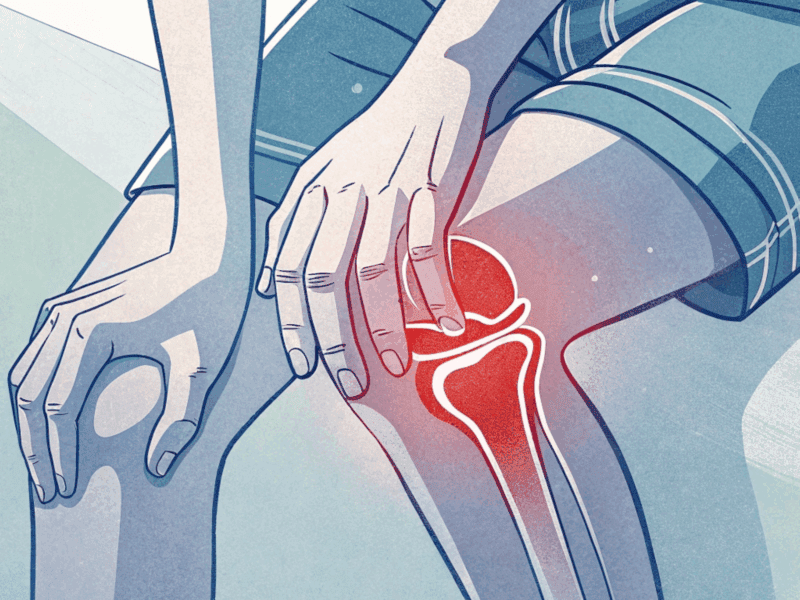
Joint pain is a common complaint for adults of all ages, but the cause is not always obvious. Two of the most frequent sources are osteoarthritis and soft tissue injuries. While both conditions can lead to pain, stiffness, and limited mobility, they develop for very different reasons and require distinct treatment approaches. Understanding how they differ can help you take the right steps toward relief and long-term joint health.
What Is Osteoarthritis?
Osteoarthritis is a degenerative joint condition that occurs when the protective cartilage that cushions the ends of bones gradually wears down. It is most commonly seen in the knees, hips, hands, and spine. The condition tends to worsen slowly over time and is often linked to aging, repetitive stress, or previous injury.
Common Signs of Osteoarthritis
- Pain that worsens with activity and improves with rest
- Joint stiffness, especially in the morning
- Swelling or tenderness
- Clicking or grinding in the joint
- Reduced range of motion
What Is Soft Tissue Damage?
Soft tissue injuries involve the muscles, tendons, or ligaments surrounding a joint. These injuries may occur suddenly from trauma or develop gradually from overuse. Examples include sprains, strains, tendonitis, bursitis, and muscle tears.
Common Signs of Soft Tissue Damage
- Sharp or aching pain around the joint
- Swelling or bruising
- Pain with specific movements
- Muscle weakness
- Tenderness to touch
Key Differences Between the Two
- Onset: Osteoarthritis develops gradually while soft tissue injuries may appear suddenly.
- Location: Osteoarthritis pain is felt inside the joint while soft tissue pain is often around the joint.
- Timing: Osteoarthritis causes stiffness after rest while soft tissue injury pain often increases with use.
- Duration: Osteoarthritis is chronic while soft tissue injuries usually improve with treatment.
Treatment Options for Osteoarthritis
Conservative Treatments
- Activity modification
- Low-impact exercise such as swimming or cycling
- Weight management
- Heat for stiffness and ice for swelling
- Bracing or supportive devices
Medical Treatments
- Physical therapy to strengthen supporting muscles
- Anti-inflammatory medications
- Joint injections such as corticosteroids or hyaluronic acid
- Platelet-rich plasma (PRP) for select cases
- Regenerative therapies depending on severity
- Radiofrequency ablation for advanced pain
Advanced Options
- Arthroscopic procedures when appropriate
- Joint replacement for severe arthritis
Treatment Options for Soft Tissue Injuries
Conservative Treatments
- Rest and activity modification
- Ice and compression
- Elevation
- Gentle stretching and mobility exercises
- Physical therapy
Medical Treatments
- Anti-inflammatory medications
- Bracing or temporary immobilization
- Ultrasound or manual therapy during rehabilitation
- Corticosteroid or PRP injections
- Shockwave therapy for chronic tendon issues
Healing Outlook
Most soft tissue injuries improve within days to weeks. More significant tears may require longer recovery or surgical repair.
When It Is Important to See a Doctor
- Pain lasting longer than two weeks
- Swelling that does not improve
- Instability or difficulty using the joint
- Worsening symptoms
- A popping sensation at the time of injury
- Redness, warmth, or fever suggesting infection
- Chronic stiffness affecting daily activities
If you are unsure whether your pain is caused by osteoarthritis or soft tissue damage, a talking to a healthcare professional can help identify the source and guide the right treatment plan.
Final Thoughts
Osteoarthritis and soft tissue injuries can both cause significant discomfort, but they require different forms of care. Recognizing the difference early allows you to choose the right treatment and protect long-term joint function. If your pain interferes with daily activities or is not improving with home care, it is important to seek medical attention.
[gravityform id=1 title=false description=false]
 Desk Workers: Preventing Neck and Upper Back Pain